Growing up in a Slavic family, nature wasn’t just scenery—it was medicine, pantry, and sometimes even therapist. If something bloomed, we probably made tea out of it. And at the center of this leafy, flowery tradition? Chamomile.
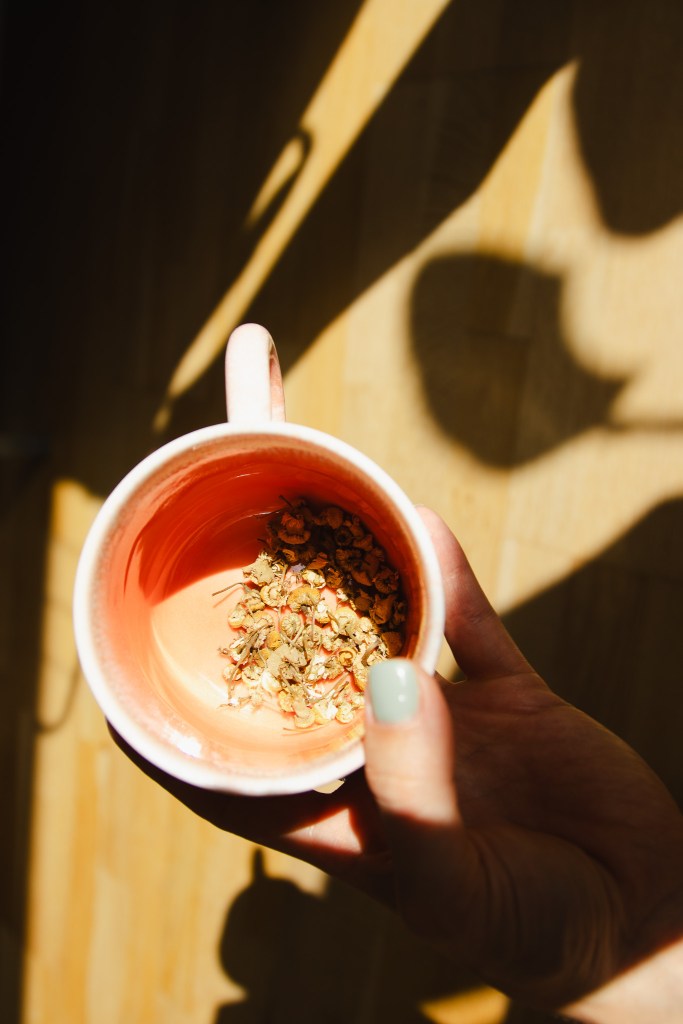
Every day, I brew a little ritual in my cup: chamomile, cloves, and hibiscus. It’s not just tea—it’s a tiny wellness festival. A gentle smack of spice from the clove, a tart flirtation from the hibiscus, and chamomile, the cool grandma of herbs, whispering, “Shhh… it’s all going to be okay.”
So What Is Chamomile, Really?
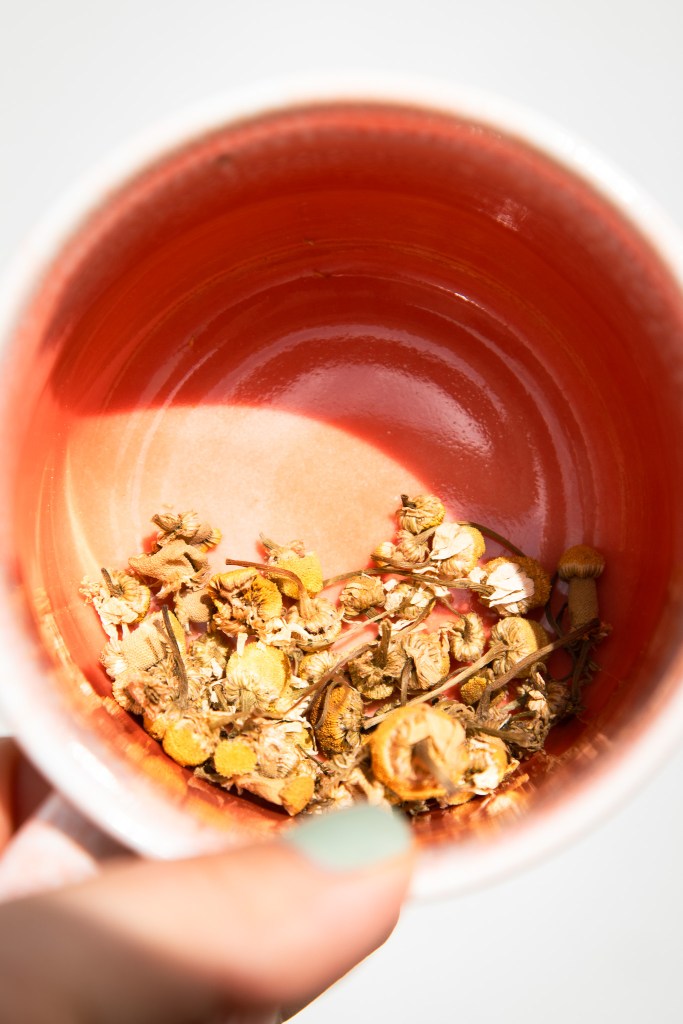
Chamomile is an ancient herb used for centuries to promote calm, aid digestion, and help people sleep without tweeting about it first. There are two main types: German chamomile (Matricaria chamomilla) and Roman chamomile (Chamaemelum nobile). Both are floral, calming, and likely to make you feel like a linen-wrapped goddess in a cottagecore fantasy.

The Health Powers of Chamomile: More Than Just a Pretty Flower
Let’s talk properties, not the kind you can buy on Zillow, but the kind that make chamomile a low-key wellness superstar.
Chamomile isn’t just for grandmas and sleepy toddlers. This dainty little flower packs a surprisingly mighty herbal punch. It’s like the soft-spoken friend who also happens to be a black belt in emotional support.
Stress Less, Sleep More
As you already know, I treat my sleep very seriously, and chamomile is most famous for its mild sedative effects. It contains apigenin, a compound that binds to receptors in your brain and basically says, “Hey, it’s time to chill.” If you’ve ever felt like your mind is a browser with 37 tabs open, chamomile is the gentle “close all tabs” button you’ve been looking for.
2. Tummy Tamer Extraordinaire
Slavic moms everywhere knew what science is just now confirming: chamomile is a digestive helper. Got bloating, cramps, or an upset stomach after playing food roulette at a questionable food truck? Chamomile can help relax your gut and reduce inflammation in the digestive tract.
3. Anti-Everything (Inflammatory, Bacterial, You Name It)
Chamomile is like the polite bouncer of your internal system—it fights inflammation, fends off bacteria, and supports immune function. Some studies even suggest it may help manage blood sugar and cholesterol levels. (Not bad for a flower that fits in your teacup.)
4. Skin’s Secret Weapon
Drinking chamomile may help from the inside out, but applied topically, it’s a go-to for soothing irritated or inflamed skin. Acne, eczema, sunburn—chamomile doesn’t judge, it just helps.
How to Drink Chamomile (Like the Herbal Alchemist You Are)
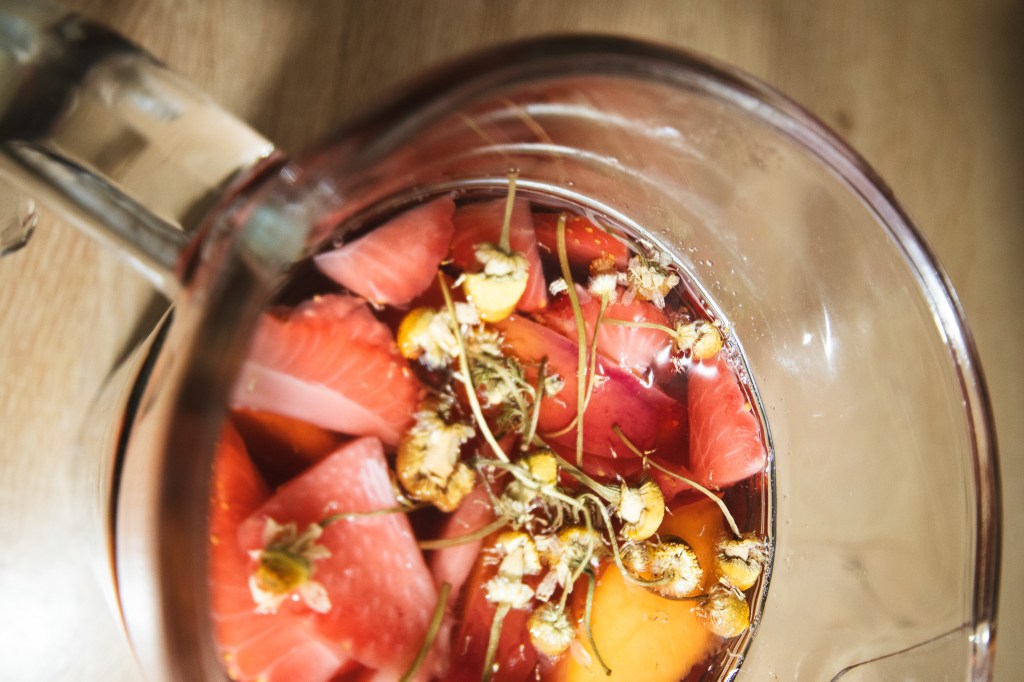
Now, don’t you dare just toss a chamomile bag into lukewarm water and call it a day—this flower deserves more respect than that. Chamomile is the perfect base for herbal playtime. You can steep it solo for a mellow, floral vibe, or get creative: throw in some cloves for a warm, spicy twist, add hibiscus flowers for a tangy pink punch, or mix with dried orange peel, cinnamon, or apple slices for a fruity tea that tastes like autumn hugged your mouth. Feeling bold? Pair it with green tea for a calm-but-focused brew, or rooibos for an earthy, caffeine-free powerhouse. The possibilities? Endless. Your mug is your cauldron—brew accordingly.

What to Look For When Buying Chamomile Flowers
Not all chamomile is created equal. Here’s what my Slavic grandma would whisper if she were in the tea aisle with you:
- Look for whole, intact flowers – Not dusty, crushed petals. You want to steep beauty, not hay.
- Organic matters – Especially with herbs, since you’re literally drinking the essence.
- Smell it if you can – It should be apple-sweet and floral, not musty like an attic.
- Avoid added flavors – If your chamomile needs “vanilla essence” to taste good, it’s probably just bad chamomile.
And of course, if you don’t feel like looking yourself, I serve you with my recommendation.
Tiny Disclaimer (Because We’re Honest Here)
Chamomile is generally safe for most people, but if you’re allergic to ragweed or daisies, you might want to skip this floral flirtation. Also, if you’re pregnant, nursing, or on medications, do the responsible thing: check with a healthcare pro before making it a daily habit.
Why I Keep Coming Back to This Brew
Chamomile helps me unwind, yes. But it’s more than a sleep-aid. It’s a daily anchor. A gentle reminder that healing doesn’t have to be loud or complicated. That sometimes, what you need is a warm cup, a deep breath, and a little flower that’s been doing this for thousands of years.
So if you’ve never tried chamomile, or you’ve only had the sad teabag version—upgrade. Get to know the real deal. Add some cloves if you’re feeling spicy. Hibiscus if you want a little drama. And let your teacup become your quiet rebellion.


 Pola's way
Leave a comment